
How curved furniture, premium materials, and thoughtful styling can create a more comfortable and visually balanced home.
Table of Contents
Introduction
For decades, living room furniture followed a familiar formula—straight lines, square silhouettes, and symmetrical layouts. While practical, these designs often prioritize function over comfort and personality.
Today, homeowners are embracing a different approach. Organic furniture, characterized by soft curves, sculptural forms, and natural proportions, has become one of the defining trends in contemporary interior design.
Publications such as Elle Decor and Architectural Digest frequently highlight curved furniture as a way to soften architectural lines and create a warmer, more inviting atmosphere.
Beyond aesthetics, organic sofas offer another advantage: they encourage a more relaxed way of living. Whether you're reading, watching a movie, or simply taking a break after work, rounded furniture naturally supports a variety of comfortable sitting positions while adding artistic character to the room.
Why Organic Furniture Is Becoming So Popular
Unlike traditional box-shaped sofas, organic furniture is designed around movement and comfort rather than rigid geometry.
Its rounded silhouette helps create a softer visual flow, making living rooms feel less formal and more welcoming. Curved forms also reduce the dominance of straight architectural lines, especially in modern apartments where concrete, glass, and metal are commonly used.
From an ergonomic perspective, wide armrests, supportive cushions, and generous seating depth encourage natural posture changes throughout the day, making the sofa suitable for reading, relaxing, or casual conversation.
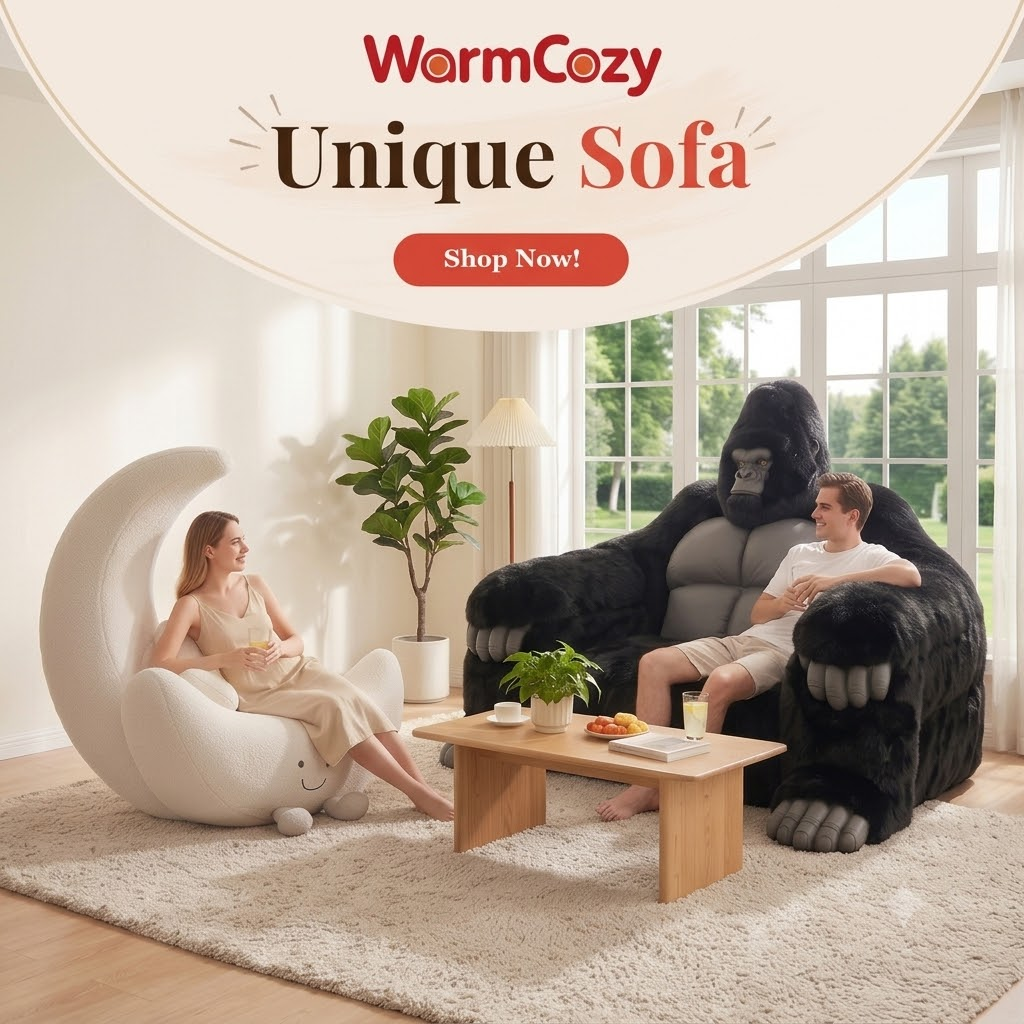
For homeowners looking for a statement piece, sculptural sofas like the Warm Cozyland Gorilla Couch combine comfort with artistic design, turning everyday furniture into a focal point of the living room.
What Makes an Organic Sofa More Comfortable?
Organic sofas are not only about appearance. Their curved designs are often created to support a more relaxed sitting experience.
- Rounded shapes create a softer visual environment.
- Deep seating encourages comfortable lounging.
- Generous cushions support different sitting positions.
- Curved armrests create a more relaxed resting experience.
What to Look for Before Buying an Organic Sofa
A unique appearance should never come at the expense of durability. Before choosing an organic sofa, pay attention to three essential elements.
1. A Strong Internal Frame
A quality sofa begins with a solid foundation.
Look for reinforced solid wood frames combined with serpentine springs and durable webbing to provide long-term structural support while reducing noise and sagging over time.
2. Multi-Density Foam for Lasting Comfort
High-quality sofas typically use multiple layers of foam rather than a single-density cushion.
A softer upper layer provides immediate comfort, while a firmer support layer helps maintain shape after years of everyday use.
This balance prevents excessive sinking while reducing pressure on the back and hips.
3. Comfortable, Durable Upholstery
Fabric influences both comfort and maintenance.
Consider:
- Breathability
- Resistance to pilling
- Ease of cleaning
- Long-term durability
Industry testing methods such as the Martindale abrasion method and ASTM D4966 are commonly used to evaluate upholstery durability. Consumers should always verify product specifications provided by individual manufacturers.
Styling Organic Furniture in Different Interior Styles
Warm Organic & Natural Interiors
Soft neutral colors, wood textures, linen fabrics, and wool rugs naturally complement sculptural furniture.
A curved sofa like the Luna Sofa pairs beautifully with creamy tones, creating a calm and welcoming living space.
Modern Minimalist & Industrial Homes
Industrial interiors often feature concrete walls, black metal accents, and strong architectural lines.
Adding an organic sofa introduces visual contrast by balancing rigid geometry with soft curves.
A darker Gorilla Couch can become the focal point without overwhelming the room.
Eclectic Interiors
Organic furniture also works exceptionally well in eclectic spaces.
Mix sculptural seating with abstract artwork, colorful side tables, or Bauhaus-inspired lighting to create a room full of personality.
The Mini Gorilla Chair works particularly well as a statement accent chair.
Can Organic Furniture Work in Small Spaces?
Absolutely.
The key is choosing furniture with the right proportions rather than avoiding sculptural designs altogether.
For living rooms narrower than approximately 11.5 ft (3.5 m):
- Choose round or compact coffee tables.
- Keep 30–36 inches (76–91 cm) of walking clearance.
- Avoid overcrowding the room with unnecessary furniture.
- Let one sculptural sofa become the visual centerpiece.
A well-planned layout often makes smaller spaces feel larger.
Frequently Asked Questions
Is an organic sofa comfortable for everyday use?
Yes. A well-designed organic sofa combines ergonomic support with generous seating space, making it suitable for everyday relaxation.
Does sculptural furniture match different decorating styles?
Yes. Organic furniture works particularly well with modern organic, Scandinavian, minimalist, industrial, and eclectic interiors.
Is organic furniture difficult to maintain?
Maintenance depends on the upholstery material. Vacuuming regularly and cleaning spills promptly according to the manufacturer's care instructions will help extend the sofa's lifespan.
Final Thoughts
Organic furniture is more than a design trend—it reflects a growing preference for homes that feel comfortable, welcoming, and expressive.
Whether you're furnishing a modern apartment or redesigning a family living room, choosing a thoughtfully designed sculptural sofa can transform both the appearance and functionality of your space.
If you're exploring distinctive statement furniture, the Warm Cozyland Gorilla Couch, Luna Sofa, and Mini Gorilla Chair offer different ways to bring organic design into your home while maintaining everyday comfort.
References
1. American Society of Interior Designers